What are the main costs beyond electricity for a mining operation?
Hardware replacement and degradation
GPUs typically last 2–5 years under mining load, sometimes shorter. Factor replacement cost into monthly expenses. ASICs degrade faster and become obsolete as difficulty increases. Even if hardware survives, its resale value drops significantly. Thermal stress from 24/7 operation accelerates wear.
Cooling and auxiliary infrastructure
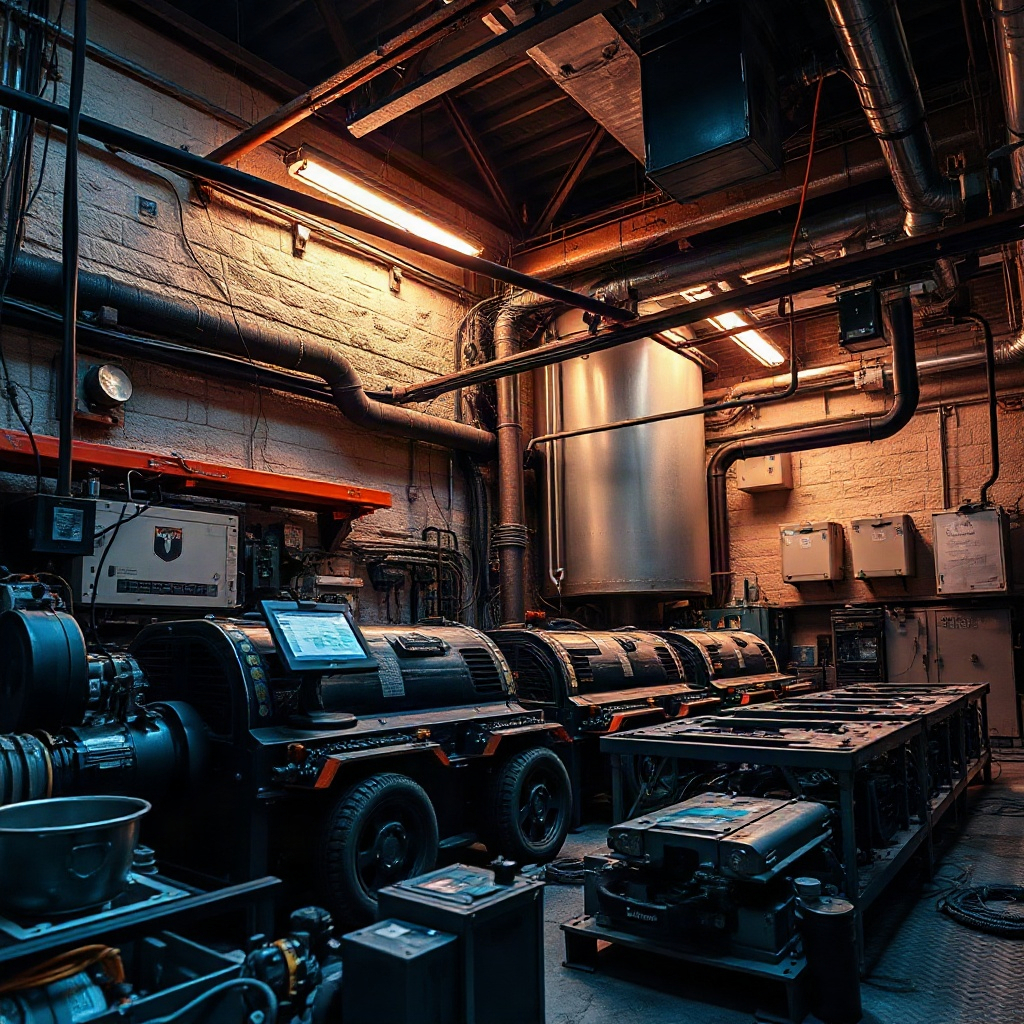
If you're mining at scale, cooling costs matter. Fans, ventilation, air conditioning, or liquid cooling add to operating expenses. A single mining rig in a home office might cost nothing extra, but a basement full of hardware requires infrastructure investment.
Pool fees and transaction costs
Most solo miners can't find blocks profitably, so they join mining pools that take 1–3% of rewards. If you ever cash out earned coins, exchange fees (usually 0.5–2%) apply. Some withdrawal methods add additional costs.
Time investment
Setup, troubleshooting driver issues, managing temperature, monitoring for failures, and optimizing settings take hours. If you value your time, factor that in—though this is personal and varies widely.